In some cases, media can shape the culture of a society, but not in the way that you think. As an example, I refer you back to 2007, when the world as we know it changed.
- Apple launches the first iPhone, allowing the average person to have the internet at their fingertips.
- Big Bang Theory starts its first season, ushering in a new wave of "geek chic" fashion where it's suddenly considered "cool" to be nerdy, play video games, and enjoy comics.
- Social media explodes in 2007: Facebook opens its doors, so to speak, to people outside Harvard in late 2006, Tumblr is founded, and Twitter experiences massive growth this year.
All of this media, these products, shaped the way that people interact with the world and each other, and not everybody is on the same page that any or all of this is a good thing. We now have media and advertisers that are blatantly telling us that "bingeing" is a good thing; binge-watching shows on Netflix, binge-eating our favorite treats (such as a whole pint of ice cream when we're depressed), etc. In fact, it's quite telling when people, for whatever reason, decide to get angry at a company that actively promotes health and beauty through exercise and proper nutrition; people would rather complain that sexy models should be banned because they "make women feel inadequate" rather than encouraging them to go out and exercise once in a while.
You're right that conventional beauty standards change; people, technology, and culture all evolve hand-in-hand, and the way people see the world will always be reflected in the portrayal of life in media. However, it will still always be true that people will always be attracted to those who appear in good physical health, and with obesity on the rise, it's a safe bet that someone will get left out; bitching about the use of impossible proportions in digital representations of people sexy models in TV, movies, and video games is not helping anything. Maybe we should all just take a day off from the games and go outside for a walk.
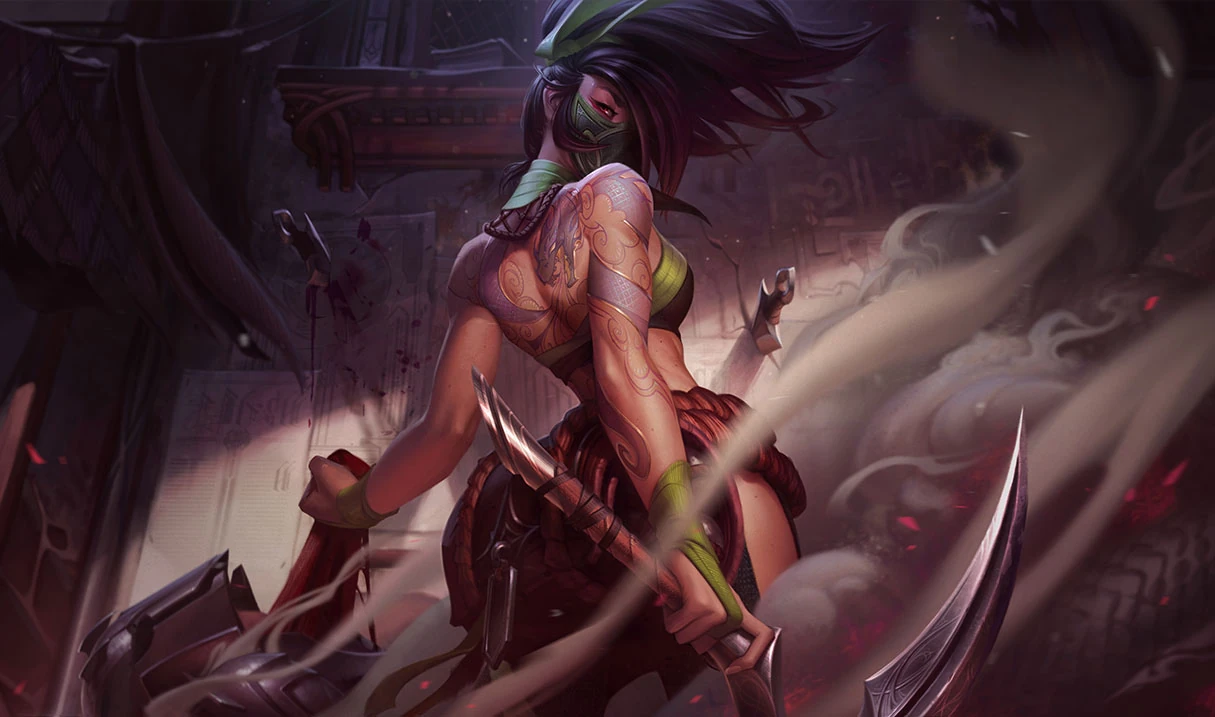
I'm sorry not sorry if seeing big tits on a curvaceous, nonexistent woman offends your sensibilities. If you don't like it, don't play it, because as you admitted, you're very obviously the minority in this scenario. Digital tits aren't hurting anybody, and no matter how much you channel your inner Sarkeesian, that won't change the facts. If they changed Miss Fortune to suit your pedantic, hypocritical feminist worldview, then they would be forced to do the same with all these champions, too:





























Every single one of them would become bland, soulless copies of some milquetoast "feminist approved" doll intended to be as inoffensive as possible, and it would simply be unappealing and boring. Riot Games is creating art, every day they walk into their office, from the coders to the voice studios to the art designers.
And I swear, I'm going to flip a table if I hear the "video games need to change if they want to be taken seriously as art" argument ONE MORE TIME. Video games HAVE ALWAYS BEEN ART. They are an expression of story and emotion through multiple artistic forms: plot, music, visual art, symbolism, interactivity. In fact, video games are protected forms of free expression under the First Amendment as of 2011, meaning that Riot has the right to express their characters exactly the way they want to.[sg-shisa]

































 too much lifting