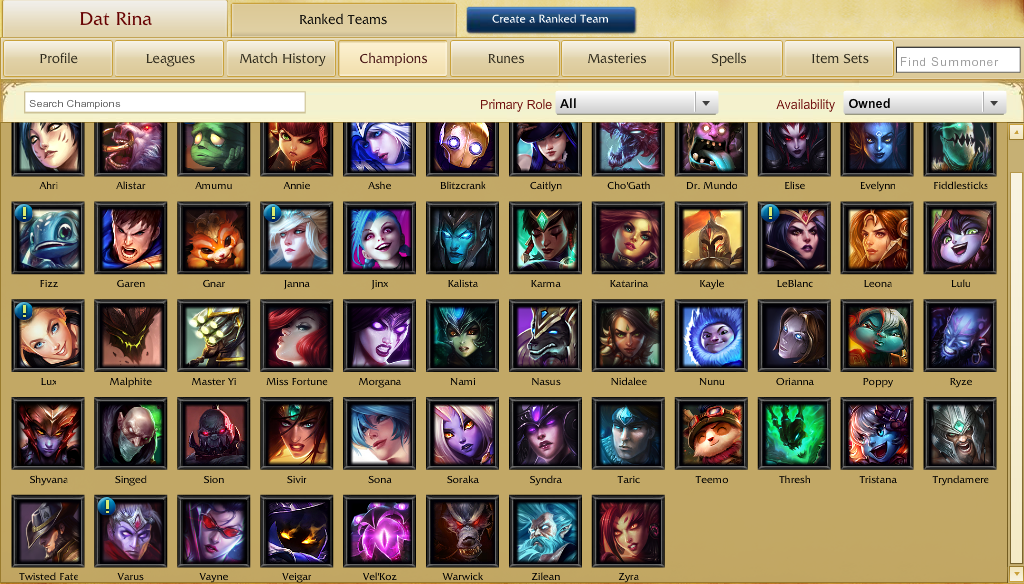
I'll try to organize this as best I can around what you've asked for. That said, if you're a bit more specific about which champions you're looking at it would also be easier to give you examples.
Also, this is going to be a long read. A very, very long read, as I tried to be comprehensive. If it's too much information please let me know, and I'll compose something a bit more palatable. And much, much shorter. Because yikes, this is kind of huge and somewhat technical. Big thing to know, you don't have to know everything on this page, I just tried to cover all my bases. I'm more than happy to add you in-game and give a spark notes version, too.
Great Map Awareness
Having good map awareness is huge, and if you already have that portion down then you're in for a decent laning experience at least. Knowing where the enemy jungler will likely be because of your teammates is immeasurably helpful, and can let you be a little more aggressive than you otherwise would be.
Ranged Mages
If you're already used to squishy mages, I'd recommend looking towards mid as a place to branch into first. Playing champions like Karma and Vel'Koz in bot lane is very similar to their mid laning tendencies, so taking champions you might have already practiced and using them in mid lane (In normals, of course) as a way to learn the dynamics of a new lane is an excellent idea if you're worried about laning. If you already know your champion then you aren't learning the intricacies of both a new champion and lane at the same time.
Skill-Shots
This is honestly similar to the above point. The better you are with skill shots, the better you will be in most mid lanes. And if you're really itching to practice mid lane skill shots on a new champion, play Xerath when he's free. That will be a trial by fire, and most of the time you will be safe in lane if you keep good wave control. (More on wave control later.)
CS
This gets into a little bit more tricky territory, but understand that you aren't alone. My roommate did almost the same thing you did while leveling, and he's quite good at support because of it. On the other hand, supports have to cs the least in a game, so they get the least practice. I'm constantly giving him a hard time for his cs in a game. It's the curse of a support main.
That said, CS cannot be overstated. To put it bluntly, CS wins lanes more often than kills do. If you're looking to practice your last hitting, take someone with low ad, such as Nami, into a custom game and only last hit. Perfect cs for mid lane is right around 208, I believe. Go wild.
I understand that isn't very helpful (nor very fun for most people). To honestly get better at csing, watch the minion wave. See which minions your wave is attacking, how much damage the enemy wave is taking, how much damage your auto attacks/abilities do to the wave, and predict when certain minions are going to get low enough to last hit. That is, without a doubt, the easiest way to secure creeps. Timing the auto to last hit can be a bit tricky and differs from champion to champion, but knowing the hp you need to last hit at is the first step to better cs.
It takes practice, and once you get the knack for it, the only change is learning timing for different champions. With enough practice and understanding of how waves act, you can apply it to your supporting as well, prepping minion waves to make it easier for your adc to last hit. Side note: Please don't do that unless you know what your doing and your adc has demonstrated some form of competence. Some adcs aren't very appreciative of people "making their farm harder." When you know what you're doing it really is a huge benefit, I promise. My support is the reason I have high cs as an adc most games.
Pushing Too Far
At the risk of telling you things you already know, I'm going to start at the very basics and work up with wave control here, because it can be a complicated concept and making it harder to understand is so very easy.
For ease of communication, the terminology I'm going to use is listed here. None of it is highly necessary for gameplay, it's just for ease of reference while I explain more:
Wave Crash: when a minion wave runs into a non-player controlled aspect of the game and engages in combat, such as the enemy minion wave or the enemy turret. *
Pushing:* the direction the wave is moving towards over time. If, after thirty seconds, the wave crash has progressed towards the enemy turret, your wave is pushing. If the enemy wave is gradually moving closer to your turret, they are pushing. *
Tanking the wave:* rather self-explanatory, it's when a champion takes damage from the minion wave for one purpose or another. *
Freezing the lane:* when the opposing minion waves lose health equally, so that the next minion wave will crash in the same place in the wave. So if the minions were fighting just out of your turret's range in a frozen lane, the minions of the next wave will continue fighting in the exact same part of the lane, just outside your turret's range. *
Resetting the lane:* when you cause the minion waves to crash in the dead center of the lane, the same way they did the very first time they spawned.
I should write a dictionary, that was an unfortunate number of definitions. Now for the meat of the section.
Starting at 1:52 in mid lane and 2:04 in both top and bot lane, minions will crash and begin fighting. From here, with no outside help, one of two things will happen.
- Your minions will deal slightly more damage to the enemy wave than the enemy wave deals to yours. In this situation, your wave will clear out the enemy's and begin pushing towards their turret.
2)Enemy minions will deal slightly more damage to your wave than yours deals to theirs. In this situation, their wave will clear out yours and begin pushing towards your turret.
One of these two things will happen eventually, if not immediately. This happens because when two minions focus on the same target they will wear that one down faster than that one will wear down its target.
The basics of wave control is understanding how damage from sources outside the wave affects the direction the wave will push. Say, for instance, a Nami bubble hits the enemy ranged minions. They take about 70 damage and don't attack your minions for a few seconds. That small action means that, slowly, your wave will push towards their turret. The damage difference is small so it will take a while, but the extra auto attacks and abilities that hit the minion wave during laning can contribute to pushing over the course of a lane.
The easiest way is to think of it as a scale. When the damage on one side is greater than the damage on the other, the side with greater damage will push harder. This is why, when you are auto attacking the wave and your opponent isn't able to reach the wave, you slowly push to their turret. Your autos contribute more damage to your side of the scale than the enemy wave can counteract.
This is where last hitting affects wave control. When you last hit you are minimizing your impact on the wave. Properly done, last hitting will very, very slowly push the wave, because you are still contributing damage to the scale. However, if your opponent is doing more than last hitting, say they auto the wave or use an ability, the wave will slowly push towards you.
Keeping track of the scale all the time isn't very easy or practical below maybe Diamond rank. It's best to just reevaluate which direction the wave will go every so often based on how many minions are on each side and how aggressive the enemy laner is in last hitting.
If the wave hits either turret, then it will be reset. The turret does an enormous amount of damage to the wave, and it's difficult to counteract that without causing a total reset yourself. A good rule of thumb is that hitting the enemy turret will cause the lane to push back towards your turret somewhat, and then the balance of damage resets.
Tanking a wave prevents the wave from hitting the turret, and is a sort of "artificial" freeze to the lane. You simply stand in front of an enemy wave of minions that would otherwise walk toward your turret and take the damage from the minions until your wave reaches the lane. This will keep the wave stuck in one position, and the closer that position is to your turret, the safer you are from engages.
When you've pushed the lane too far, you have a few options.
- You can push the wave to the turret and cause the it to reset partially. This isn't a fool-proof plan, as the chances are good that your next few waves will steadily push toward their turret as well, leaving you in a cycle of push, reset, push, reset.
1a) If you know where the enemy jungler is and you're confident that you can take the enemy laner if they engage on you, or at least you believe you're able to escape if they do, this is a good decision. It's tough for a lot of people to properly last hit under a tower, so you deny them gold by forcing them to compete with tower. This is also a good time to get in some harass, dropping the enemy laner's health down to something a little less safe for them.
- You can back off, go back to base, purchase items and heal up. This gives you item advantage and causes you to lose less overall experience and gold, but also lets the enemy laner gain some control over the wave and allows them to farm uncontested for a little while. If you have enough gold for a major item and don't think you'll be able to press your lane advantage any time soon, or if you think you're going to be ganked soon, this is a good option. If your jungler isn't clearing the jungle very quickly then you might also be able to steal one or two of his camps close to your lane for the extra xp/gold.
Cont.


 and can do wonders with her in S5, and she can be played top as well. Also from what you have been saying I think you might like
  or
or  because they are both long range mages that benefit greatly from good map awareness.