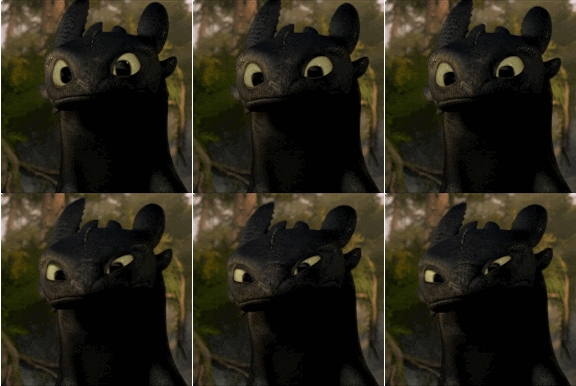
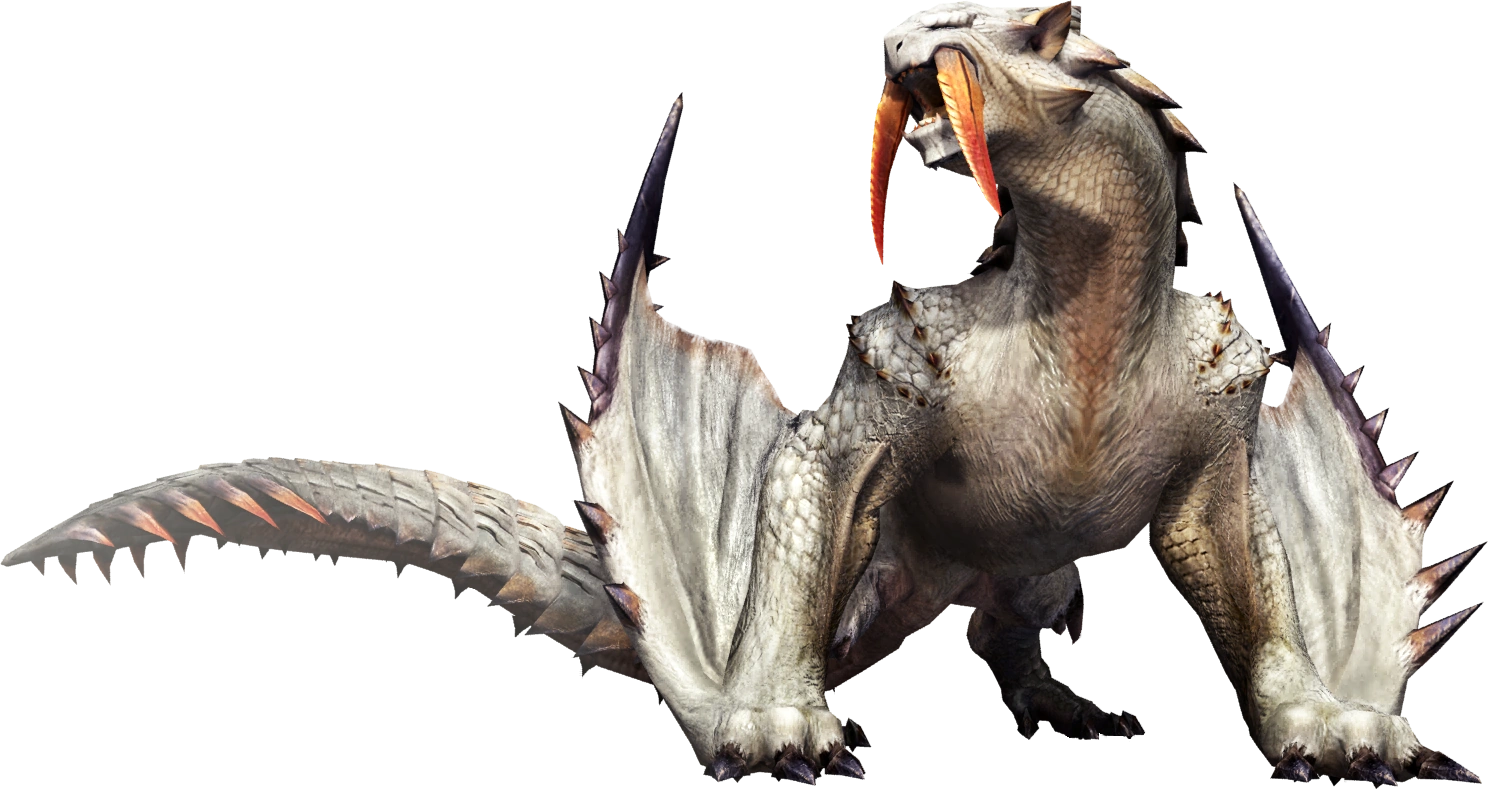
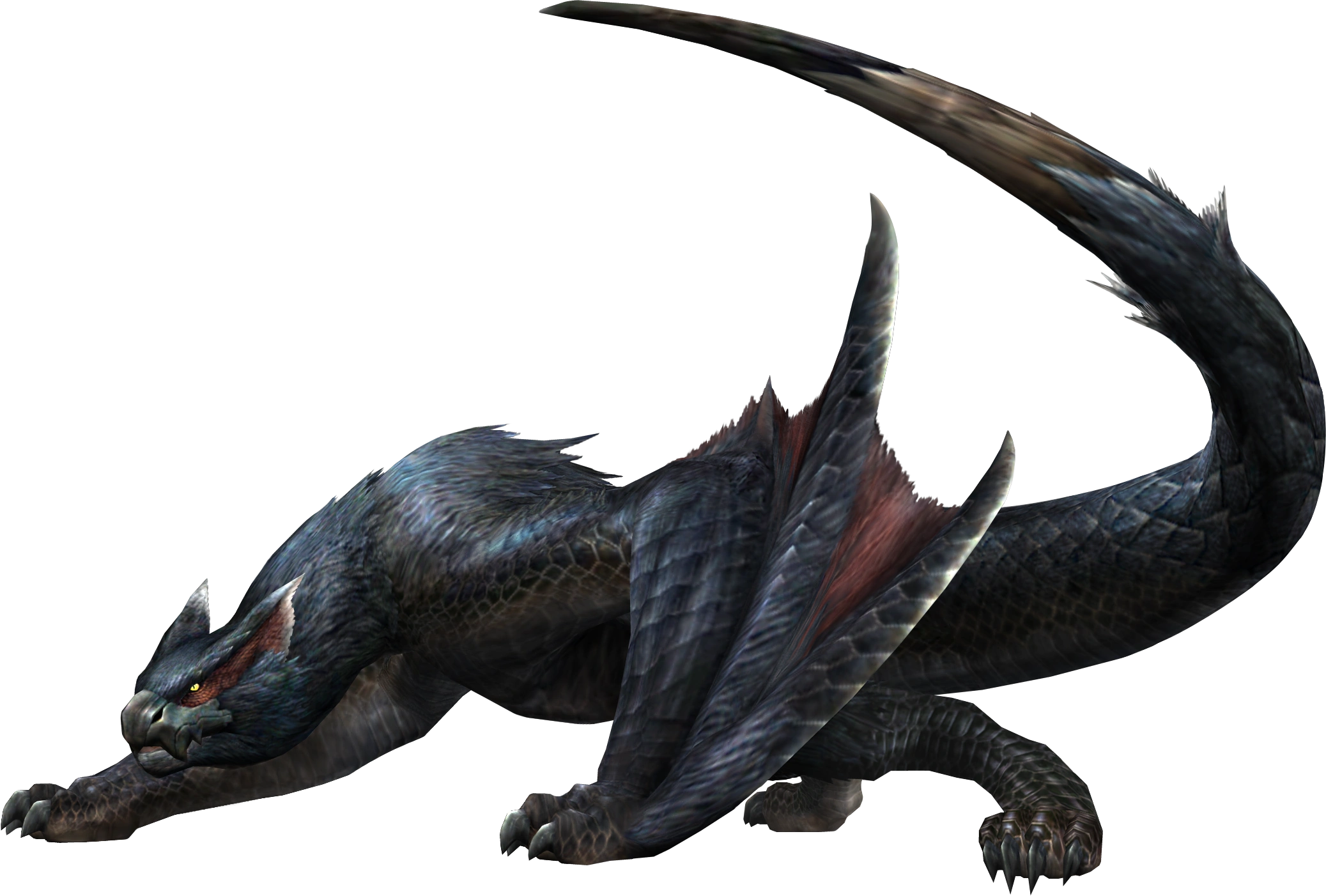
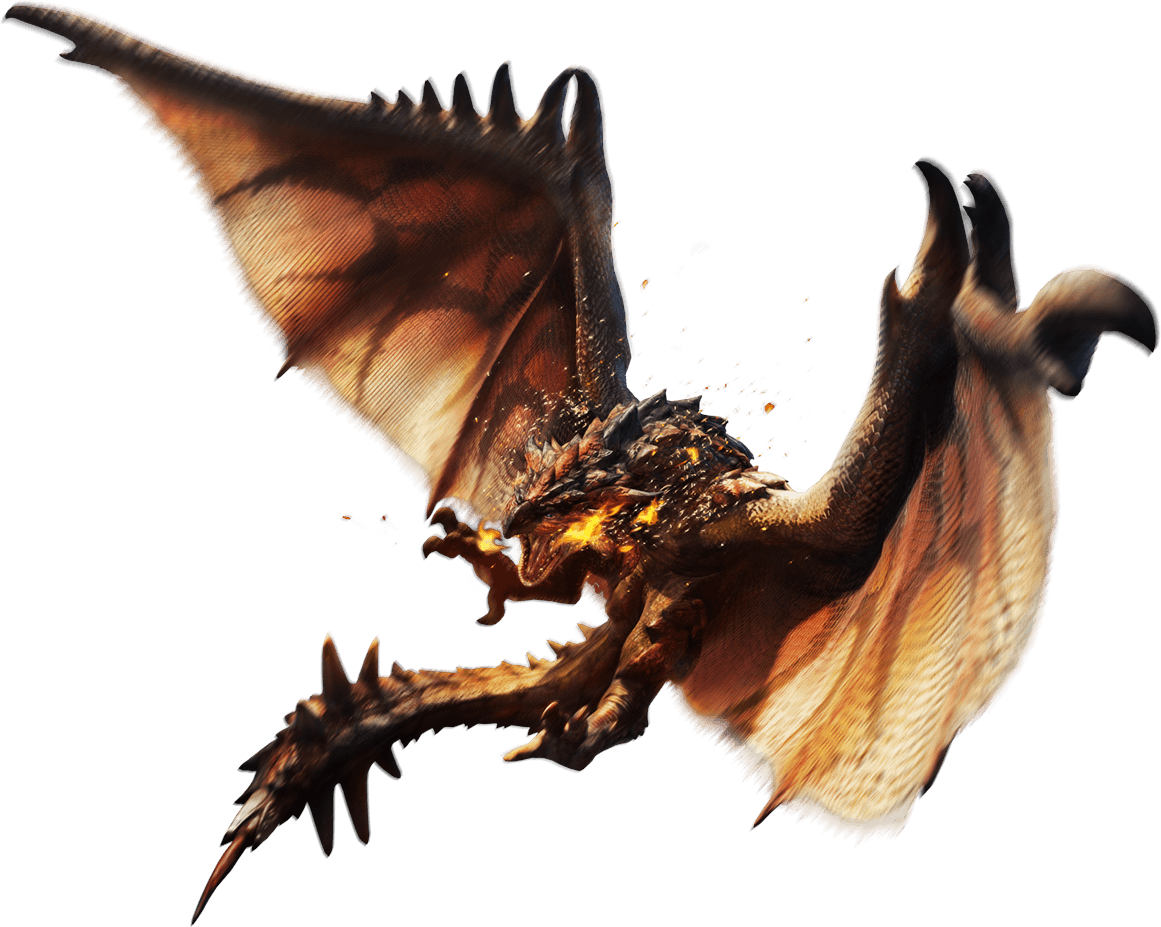
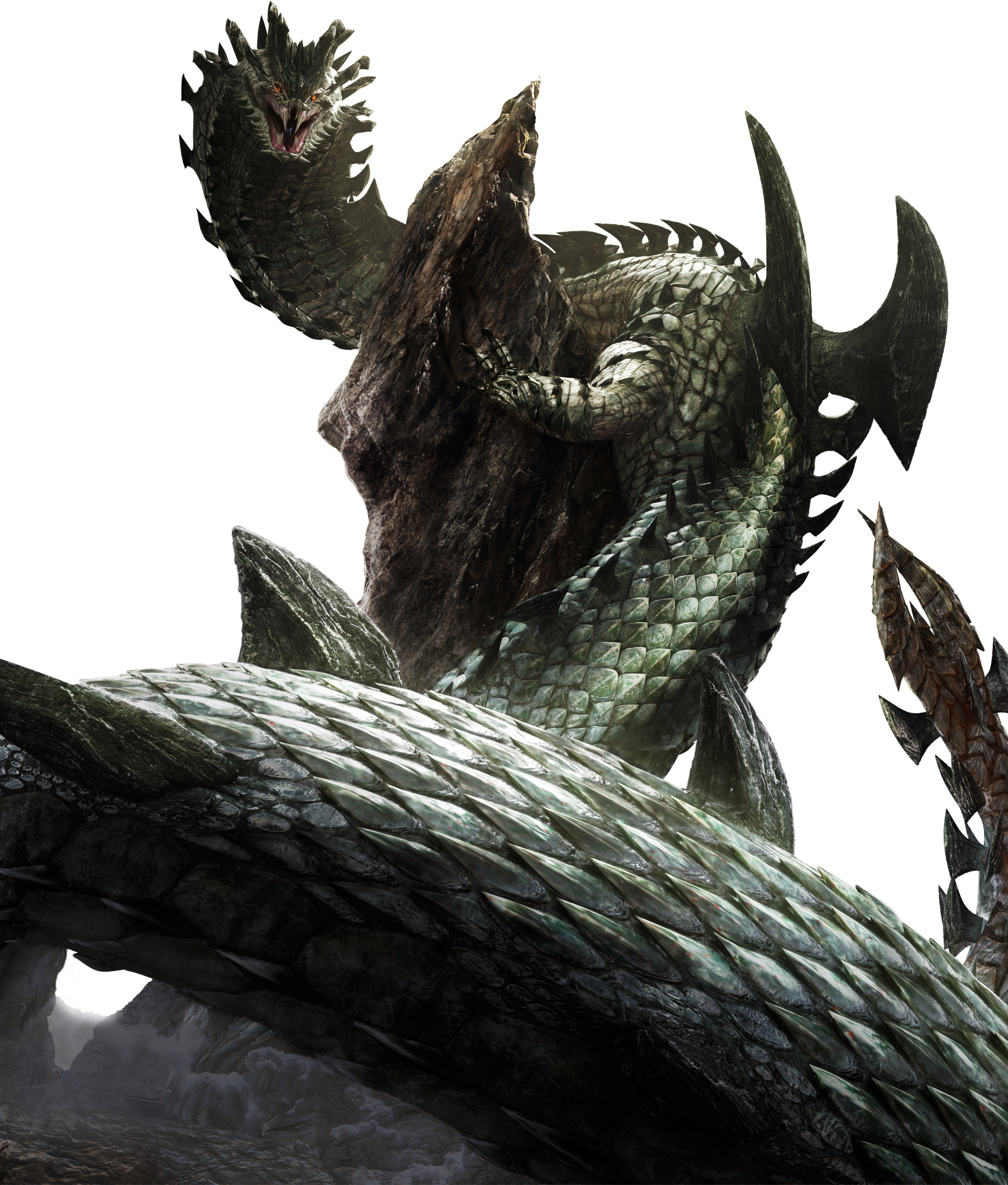
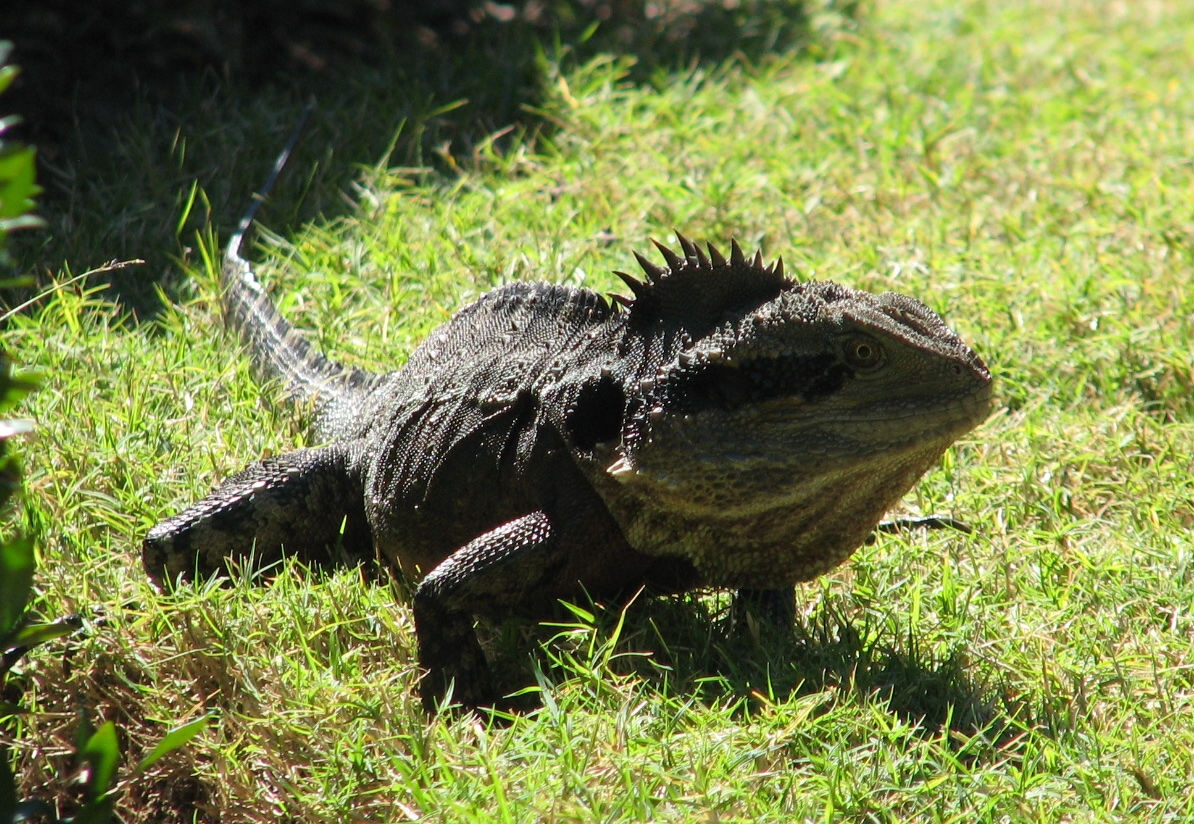
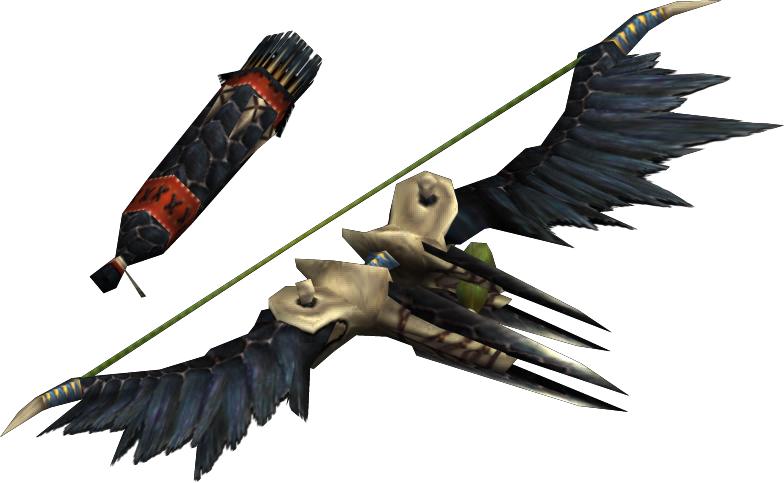
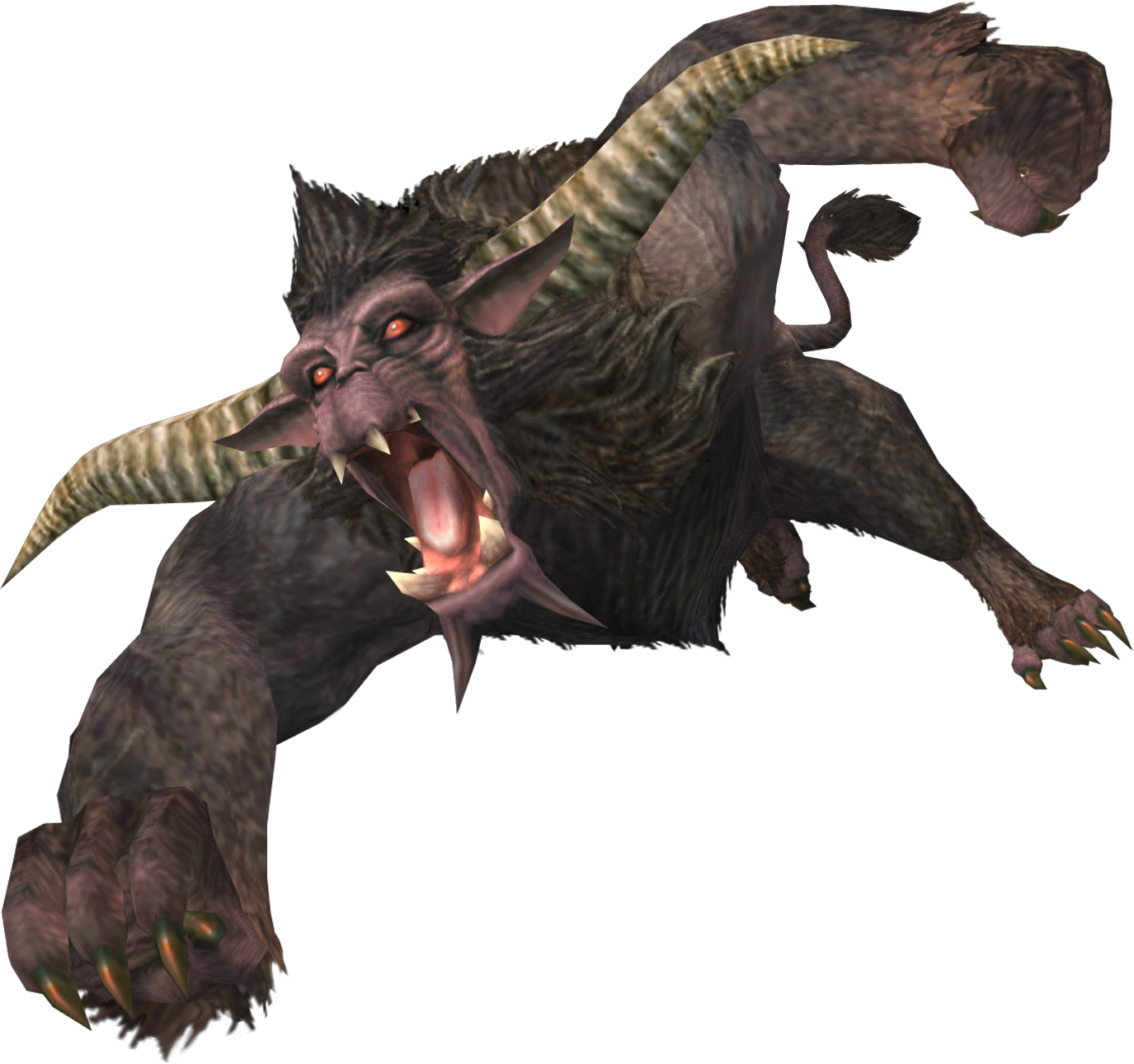
Since dragons and wyverns are fantasy creatures, their physical description may vary a lot between sources - think that the Jörmungandr ( thank you wikipedia for the copypaste!) that is a sea serpent from the norn mithology is considered a dragon!
This does not mean that a creature can be mixed with an other: if you draw a cat and say that it' s a dog it' s objectively wrong because there is a definite line between what it is and what it is not.
So, what defines a dragon?
Fire? Limbs? Wings?
No. Power.
If you look at the many representations of the dragon on the occidental culture, both in traditional and modern sources, you can see different things described in different ways but that feel the same: the dragons are cunning and intelligent, the dragons are majestic and powerful... and most of all, they know it.
This is why dragons are depicted by staying over a mountain of gold, or are depicted with a princess as a prisoner or some other valuable treasure: they don' t need it, but they can take it because no one can contest it; aware of their position they acknowledge every other being as a lesser being and want to enforce their presence.
Think about Smaug from The Hobbit - depicted or not with different limbs, he fits this description perfectly. Even Saphira from Eragon fits this description, but she is bound to her knight with a ritual that makes her more tame and more respectful for other beings ( not much, but enough).
Wyverns, on the other hand, are just beasts. With low intellect and driven by basic instincts they can barely speak in most of representations.
The Dragon on the river might be instead a wyvern ( or a dragon that is not very talkative) but in Shyvana case is apparent that her father was not a beast, but a creature gifted of intelligence, rationality and power ( at least over magic, or else she could not be conceived ).


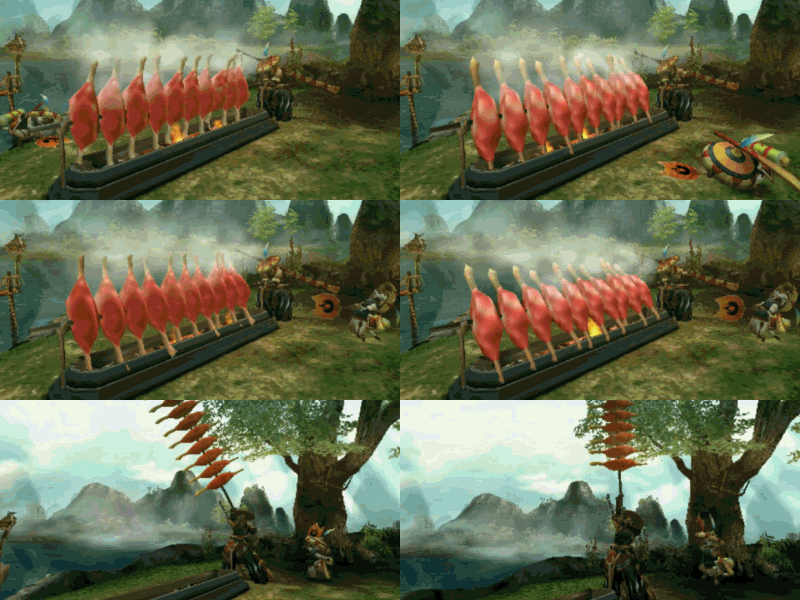
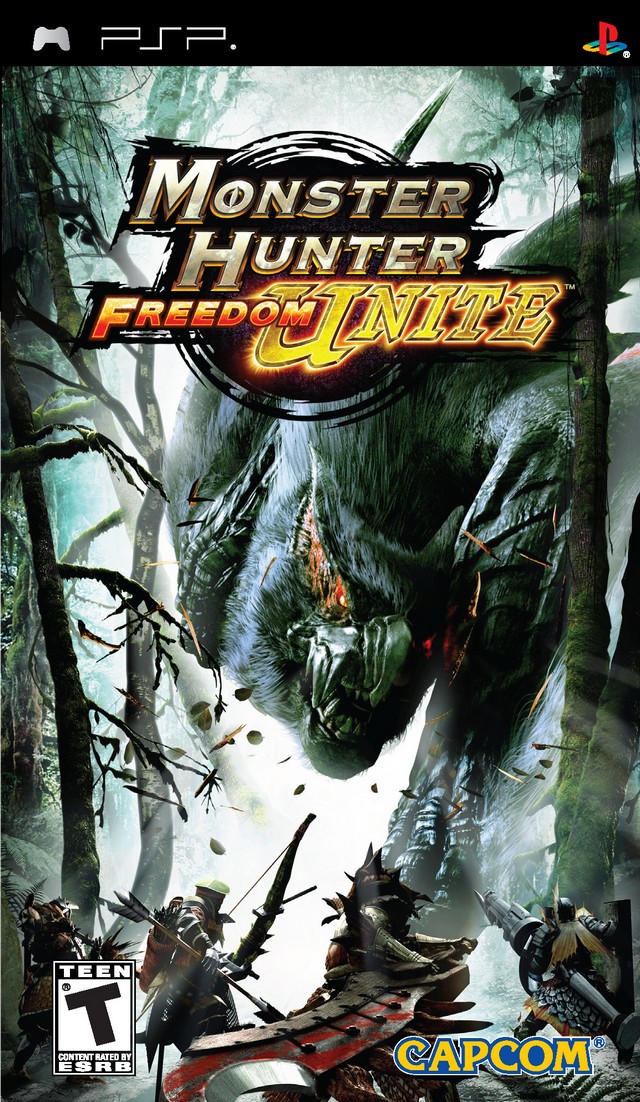
 to anyone who can figure out where these images that I have used to make examples of body types originate from!





 was born from a dragon and a human, that would make her a hybrid rather than a cousin species. Think